

These are the documentary stories that I have completed. I have experimented with the story presentation using different techniques or formats to bring across the story idea for different audiences on a variety of platforms. Some stories may have taken months to complete, others just a couple of days. If you click on the pictures it will take you to the full story. I hope you enjoy them.
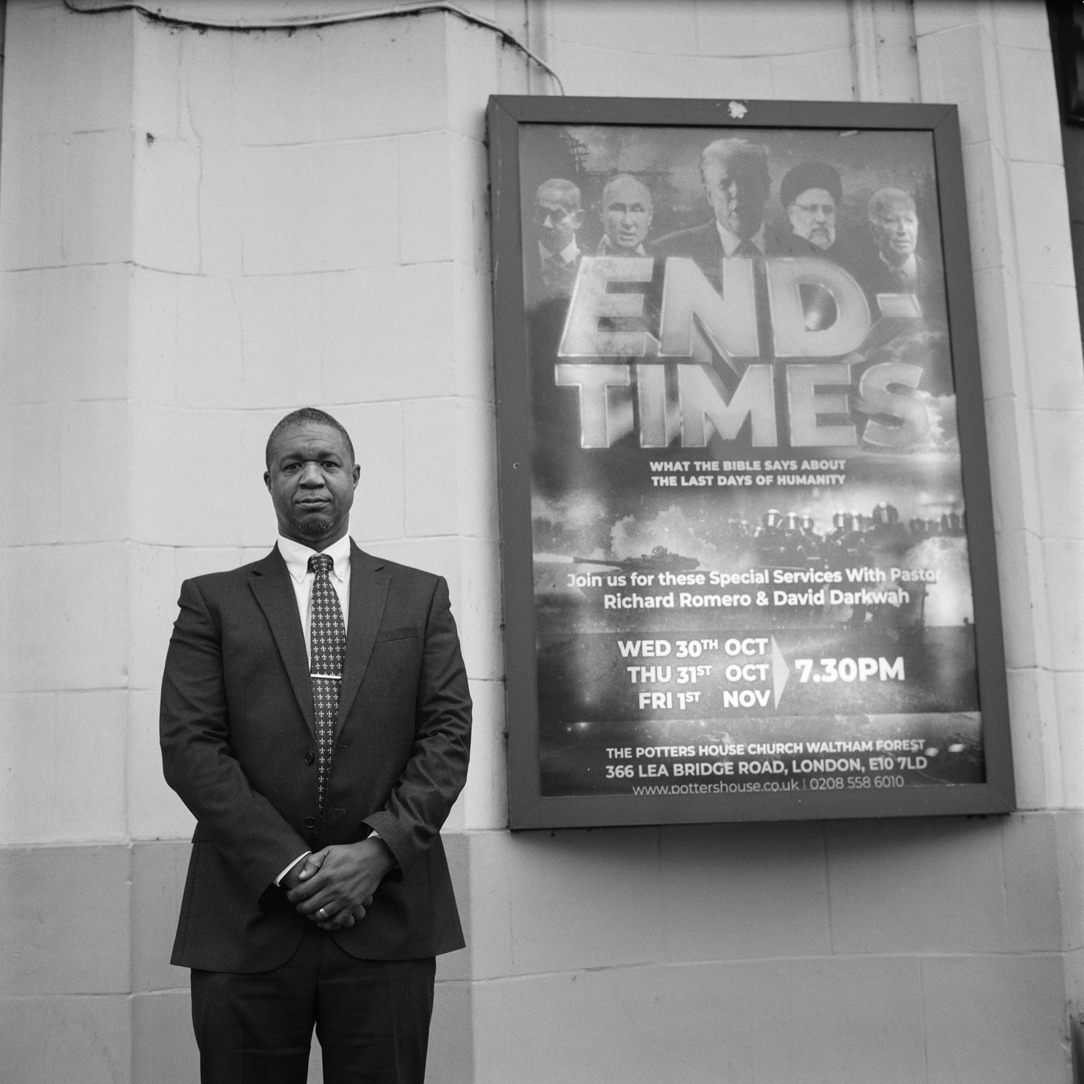
As part of my long term documentary picture story about the Lea Bridge Road I spent a year photographing The Potters House church, a centre for the local community. I combined black and white stills with video and audio to tell this story. The project was only possible with the support of Pastor Chris Sealey who understands the value of documenting life as it today for the future. Almost everyone in the church was intrigued by my pictures and the project. I tried to make sure that as many people as possible got a print of the picture I had taken of them. After a while I became part of the furniture, a scruffy photographer with a vintage camera who gives people prints. Once invisible I could get closer and take the pictures I wanted. To tie the project together I asked Chris about his work as a pastor and his personal journey to the Church.
To buy a hard back copy of the book 'The Potters House E10' that has 130 black and white pictures on 144 pages measuring 279 x 216cm, click here.
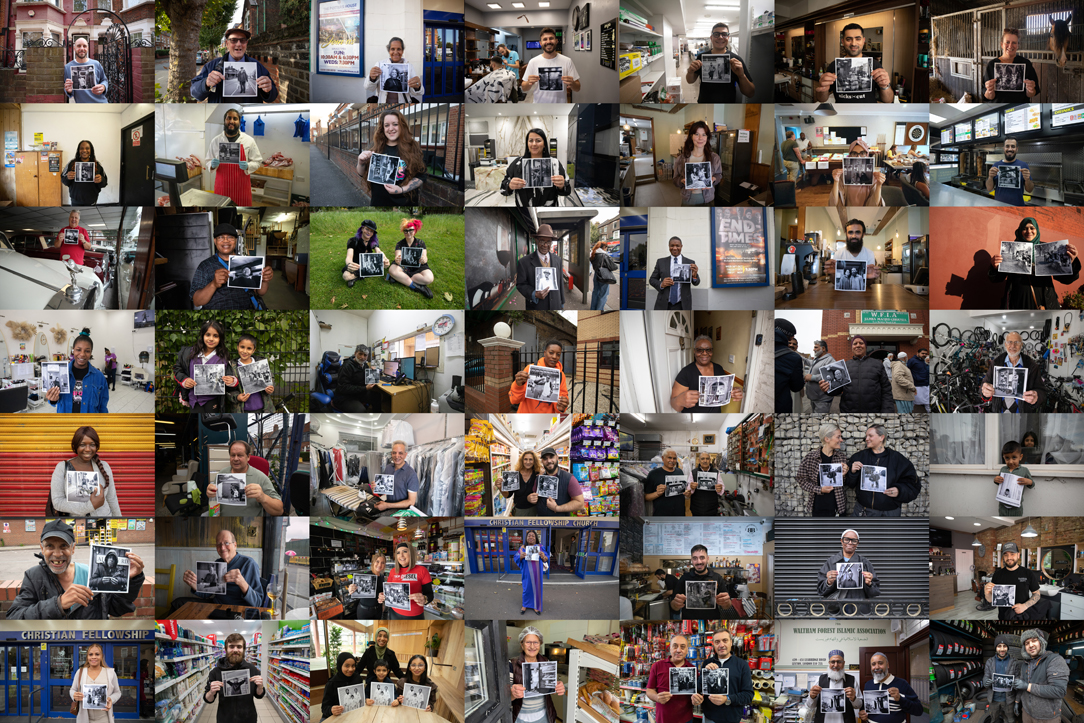
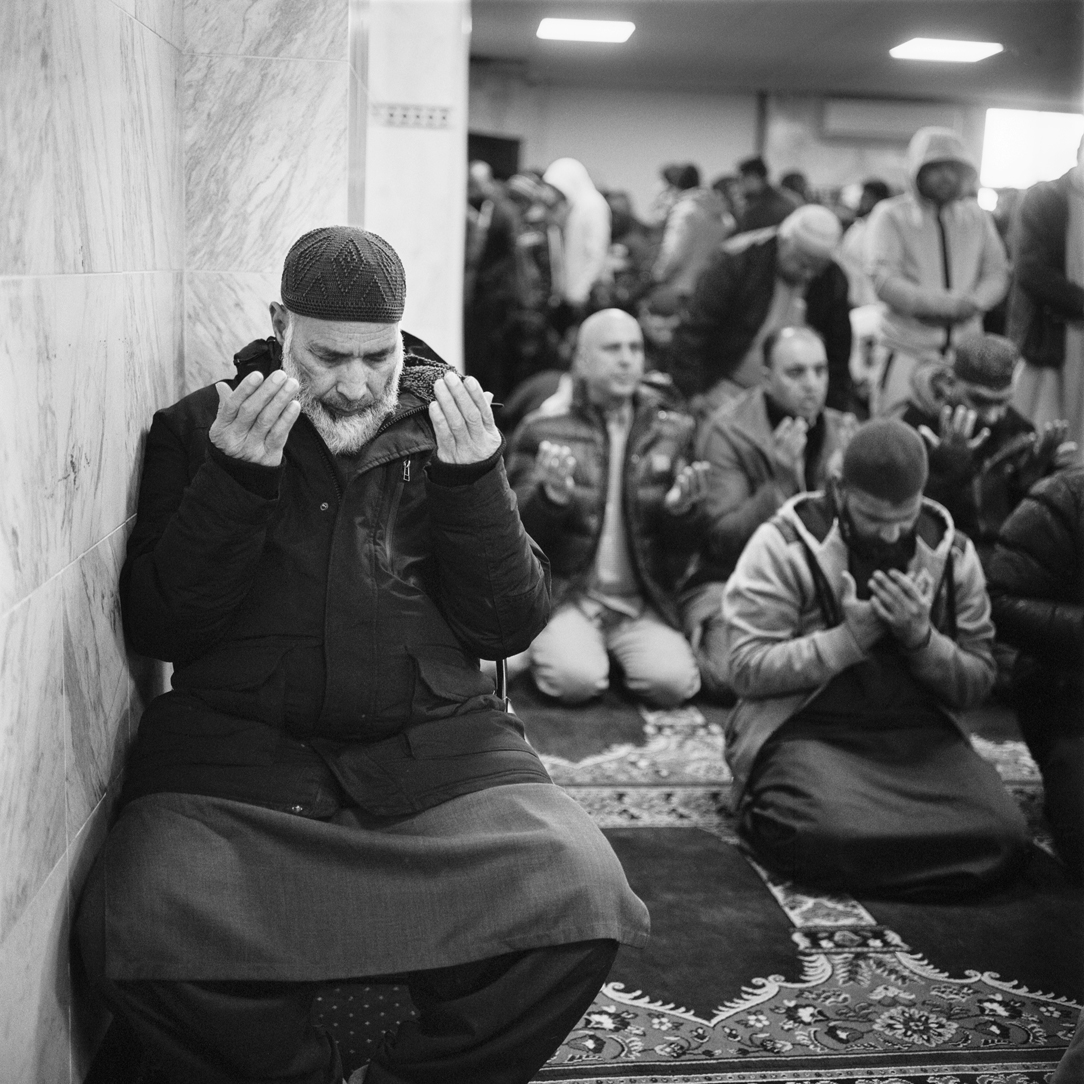
The Lea Bridge Road (A104) extends from the Whipps Cross roundabout in Waltham Forest down to the Lea Bridge roundabout in Clapton, Hackney, London. It crosses over the River Lea which was first bridged in 1745. Today a journey down the Lea Bridge Road offers a visual wealth of diverse culture, food, social change, industry, commerce, migration, fashion and leisure. It also offers 20mph speed limits, traffic jams, bus and cycle lanes, parking restrictions and dozens of cameras to enforce all of these. The story is a mixture of street environmental portraits taken using black and white film in a vintage Rolleiflex. I found that people were attracted to this camera and often approached me to ask me what I was doing being more intrigued than threatened by my presence as a photographer. I was drawn deeper into the community and shot five in-depth stories, K&H Timber Supplier, Jamia Masjid Ghousia mosque, The Brothers Project, The Potters House church and BB Café. Some in colour and some in black and white. A large selection of the work was exhibited on the fence of the Lea Bridge Library in 2025. Click on the picture above for the story in full.


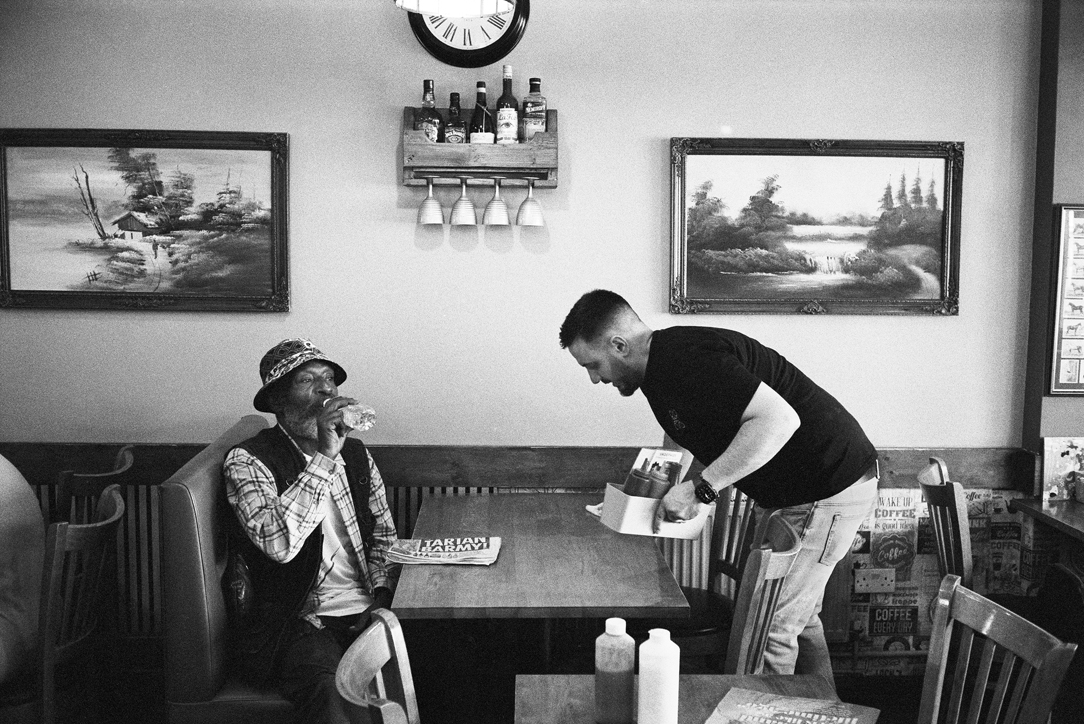
Many who live or work along the Lea Bridge Road believe that BB Café is the best workman’s café in East London. With this accolade I decided it would be wrong of me not to include it as part of my ongoing photographic documentary project about this community. BB Cafe was set up over 20 years ago by Ahmet Pektas and is now run and jointly by Ahmet and his son Mustafa, or Mus as he known by everyone. The doors open at 07.00 a.m. and not a minute later, doors close at 4 p.m. It’s busy nearly all the time and customers continually told me the food was great, the prices good and the service from the attentive staff, especially Mus, is second to none.

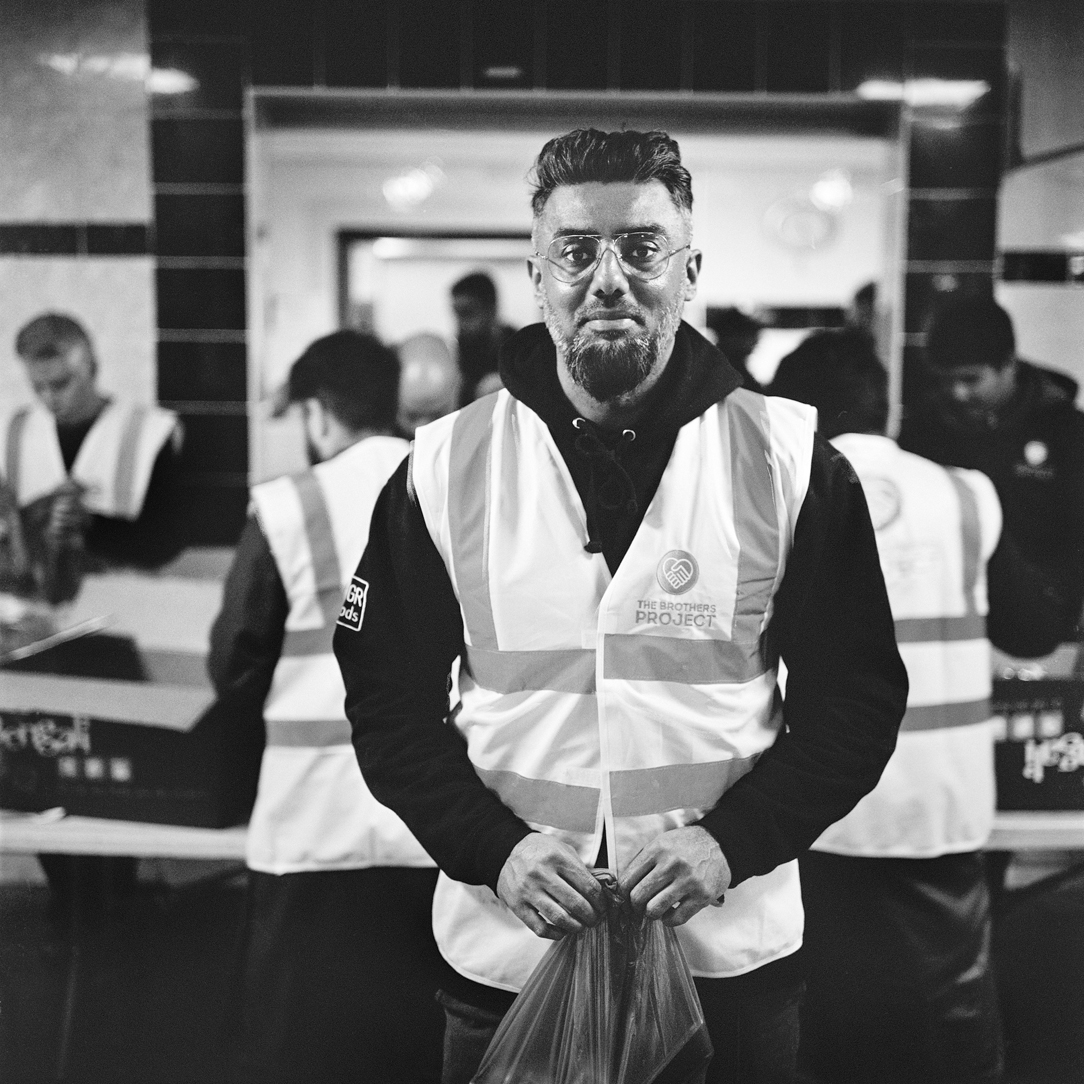

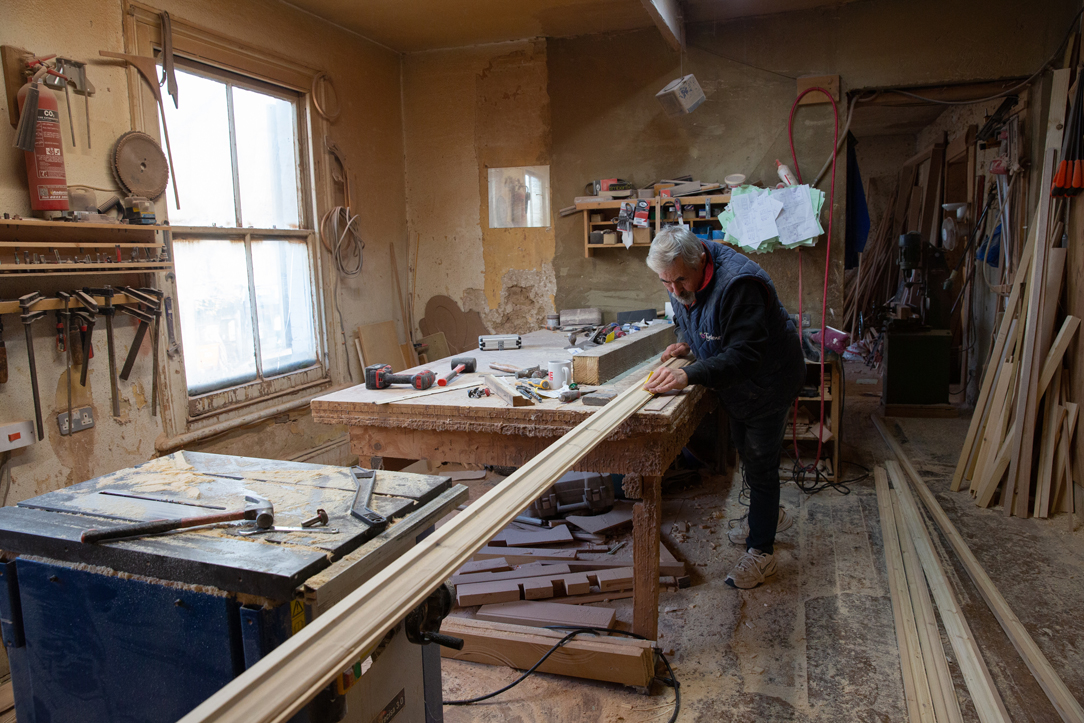
As part of my ongoing project about Lea Bridge Road I spent several weeks documenting the workshops and craftsmen in the sawdust haze and noise of K&H Timber Supplier. The business, that has existed for over 45 years, is situated midway along Lea Bridge Road between Waltham Forest and Hackney. It’s jointly owned by brothers Ahmet and Hasan Kasim. I wanted to spend some time digging deeper into several businesses and centres along the Lea Bridge Road to get a better insight. This is my first attempt to really get under the skin of this community that continues to fascinate me.

I am continually exploring presentation of stories so decided that I would shoot the K&H Timber Supplier story using different formats, colour digital, black and white medium format film and video. My initial intention was to mix it all up but quickly decided that the images fought with one another. Consequently, in addition to the colour presentation I have produced an edited sequence of black and white images of the K&H Timber Supplier story. It has a very different feel. I hope you enjoy them both.

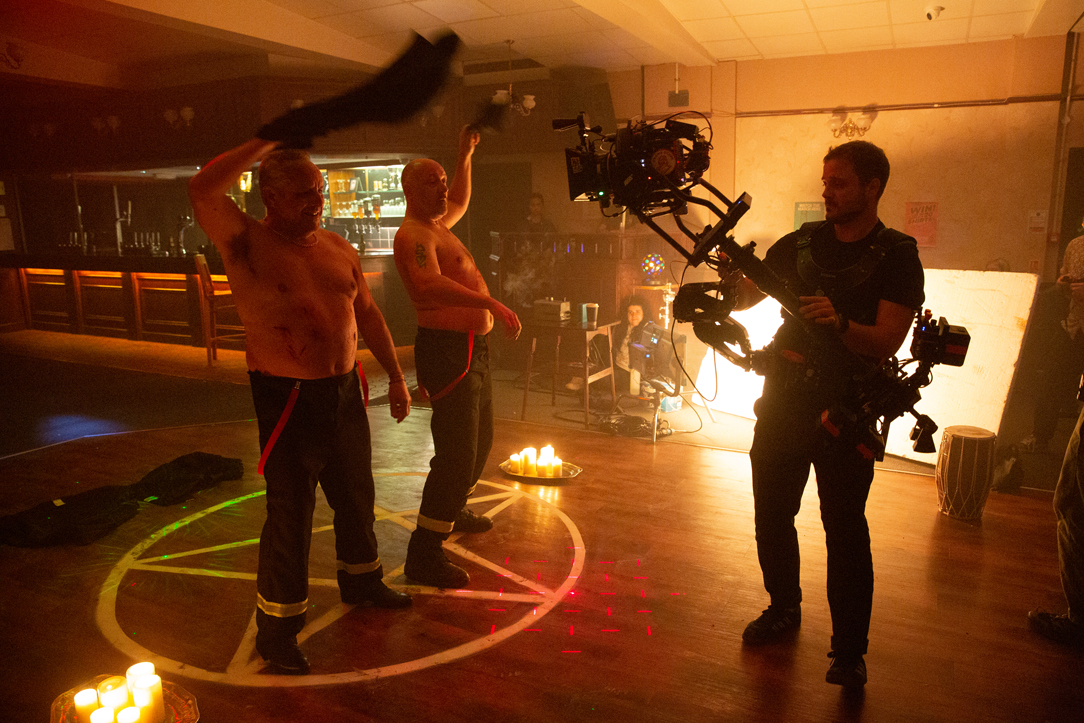
I was lucky enough to be invited on set by Marc Coleman to document the making of the finale scene of his latest comedy-horror film 'Members Club'. If you click on the first picture it will take to you to a slideshow with soundtrack ‘Freak me’ by Another Level. If you click here it will take you to the page with all the stills. It was a lot of fun. Members Club is now streaming on Sky Store, Amazon Prime, YouTube, Apple TV, Microsoft and Rakuten. Members Club has been described in a Guardian review as ‘The Full Monty meets Necromancy and weirdly watchable. Resolutely raunchy, gory, and very silly, this comedy horror is trashy for sure, but it’s amusing and manages to deliver offensive gags that avoid outright misogyny. That’s no mean feat given the core plot is about a troupe of middle-aged male strippers who fall into a trap laid by a coven determined to raise a 16th-century witch from the dead. Have a look it will make you laugh.
The Star & Garter pub is sited on the corner of Hessle Road and West Dock Avenue and was once the centre of Hull’s fishing community. For years it was known locally as Rayners, nick-named such after it’s larger-than-life 1930’s landlord, Henry Rayner. It was the traditional meeting and drinking place of deep sea trawler-men, who worked three weeks at sea and then came home onshore for just three days. As the fishing industry declined, so did the fortunes of the Star & Garter. In 1983 the majority of lunchtime drinkers were old, retired or unemployed fishermen, their wives and widows.
The bar was always filled with smoke as customers drank their pints, enjoying the company of others and telling or re-telling old stories of fishing and fishermen. It was during this time that I spent many lunchtimes taking pictures. Today, the Star & Garter’s doors are still open for drinks, family events, live music and organised celebration nights. The pub’s name has been officially changed to Rayners but its sense of belonging to the traditions of the fishing community are still strong.
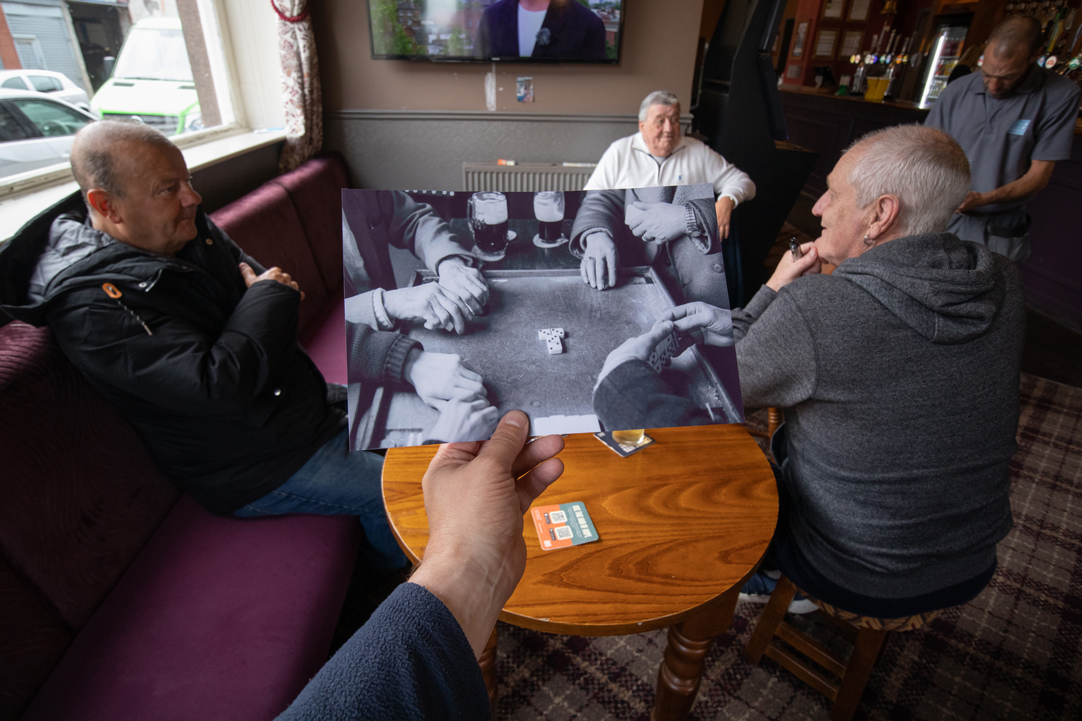
In 2022 I revisited the Star & Garter. I took prints of the original 1983 images into the pub over several lunchtimes, holding them in the exact same position they were originally taken. The drinkers of 1983 appear ghostlike in today’s world for a quick chat, laugh and pint. A big thank-you to Paul Heaton who has given me permission to use The Housemartins song ‘Think For A Minute’ as the soundtrack for this story. Click on the picture to see the video and soundtrack story. To see the still pictures click here.


As part of the celebrations to mark the coronation of King Charles III it was decided by the residents of Hereford Road to hold a street party. I thought it might be fun to document the day to record the community getting together. What was great to see was the road (just about) empty of vehicles and children enjoying the safe space to have fun. It was a bit cold but the rain held off so that was a blessing. Click on the picture above to see all the images.


The cry of ‘Battery! Boiler! Bike Frame! Lumber! Rag, Bone!’ that has echoed through the streets of Hull for generations will soon fall silent. Rag and Bone man George Norris is the last of his family to work the estates and back alleys totting for scrap (or tatting as it’s called locally). After years on the North Sea rigs, George has returned to the family business to help his 81-year-old father, also called George, with his rounds. “My dad will never retire. When my dad goes that will be the last of the original scrap dealers in Hull,” says George. I first documented George’s working life in 1983. When he returned to the family trade nearly 40 years later, the opportunity to see what had changed was too compelling to miss. Click on the picture to go to a series of combination 'then and now' pictures.
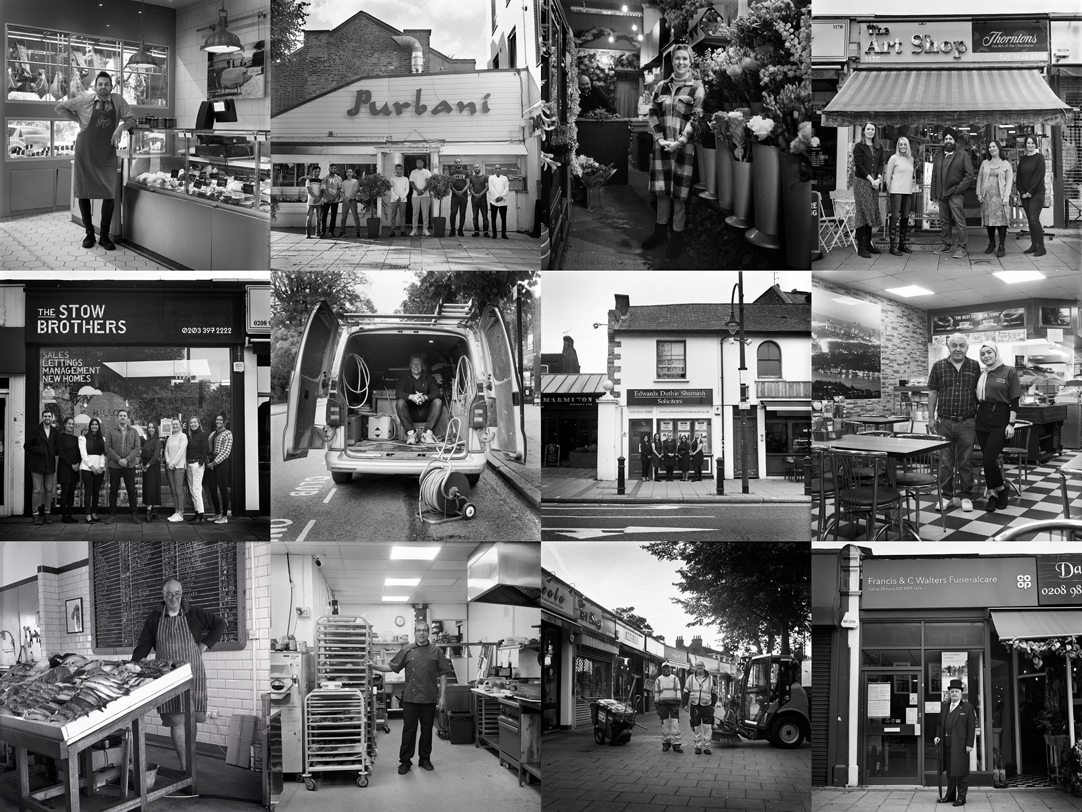
For hundreds of years the high street has been the centre of communities throughout Britain. From as early as the Victorians and Edwardians photographs have been taken of shop keepers proudly posing in front of their businesses. Fascinated by this long tradition I photographed the business owners and staff who work on my local high street, in Wanstead, London. After years of shooting only colour I decided to shoot black and white film as a nod of respect to commercial photographers working in bygone eras. I used a 1966 Rolleiflex camera 80mm F2.8. I was curious to know when the business owners set up shop and why. I also wanted to understand what they think the future holds for them given the challenges of online shopping, rising costs and the impact of the Covid pandemic.

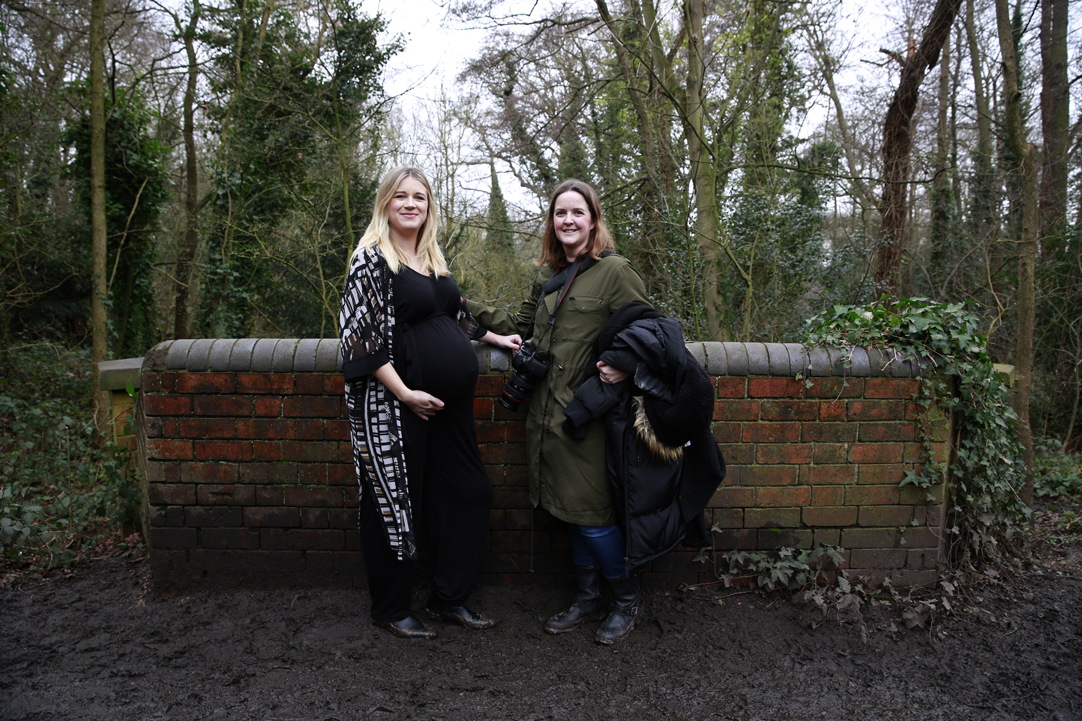
During the coronavirus (COVID-19) lockdown in London, many had taken to daily exercise which was permitted under the rules. Most of us had slipped into a routine - same place, same time and often same conversation. The pictures below are portraits of the people on their daily exercise with partners, family or a friend, with a small snippet of conversation overheard while walking through Wanstead Park in London, during the two weeks leading up to Prime Minister Boris Johnson announcement outlining the roadmap to ending lockdown on February 22, 2021. For most COVID, these repetitive walks and sometimes conversations were (I hope) consigned to history. What is important to me is that the images and comments by ordinary people, during this challenging time, are archived for the future.

Artist Marcus Bracey is the fourth generation of his family who have made, bought and displayed neon works. His work is exhibited in ‘God’s Own Junkyard’ a permanent gallery in London. The pieces are often made by Nick Ellwood who describes himself as a ‘neon bender’ in their east London workshop.


There has been a river crossing at Woolwich since the Saxon times. State papers from 1308 show that William Atte, a mason, bought the ferry business for 10 pounds. Since then, the rights to run and charge for the ferry crossing have changed hands many times. In 1320, the business was sold for 100 silver marks. During the reign of Henry VIII, the Royal Arsenal ordnance depot was built at Woolwich and the military established its own ferry. In 1811, parliament passed an act to set up a common ferry for the passage of “persons, cattle, carriages, goods, wares and merchandise”. The free ferry opened in 1889, with each boat licensed to carry 1000 passengers and 15-20 vehicles. Latest figures show that on average just under 80,000 vehicles and 22,000 foot passengers use the ferry every four weeks. Click on the picture above to see the story of the Woolwich Ferry now.


In 1985, at the start of my career as a photographer, I was living in Peterborough and trying to balance time needed between going out and shooting pictures and waiting for that call which would mean paid work. It was a pre-mobile phone, pre digital age, the answer phone was cutting edge communication technology. Frustrated by the amount of what I considered wasted time spent at home it struck me the number of people who would knock at my door. I decided that I'd photograph everyone who called, I would stand inside they would remain outside. As a nod to the pre-digital age, I built a darkroom at home, printed my black and white negatives, scanned them and published them here. The callers very much belong to a bygone age. Click on the picture of the Halloween 'Trick or Treat' callers above to see the full set, enjoy.